Saving costs with smart charging. With smart charging, electric vehicles can be charged when the electricity price is particularly low. This could be at midday, when a lot of solar power is fed into the grid, or at night, when power consumption is low. The charging process is controlled and monitored via an app. Smart charging also helps reduce the burden on the grid and supports the integration of renewable energy sources. Surplus electricity from a home photovoltaic system makes EV charging especially cost-efficient. At Power2Drive Europe, the international exhibition for charging infrastructure and e-mobility taking place at Messe München from June 23–25, visitors can find out more about sustainable mobility and smart charging. Highlights include The Bidirectional Zone and a new study on bidirectional commercial fleets presented by Power2Drive Europe and the Research Center for Energy Economics (FfE). The exhibition explores current market developments and illustrates the interplay between e-mobility and renewable energy supply. It will take place as part of The smarter E Europe, Europe’s largest alliance of exhibitions for the energy industry. Manufacturers, distributors, start-ups and professional users will showcase their latest products, services and business models. Around 2,800 exhibitors and over 100,000 visitors are expected to attend.
The number of new electric car registrations has reached record levels in Europe. Between January and April 2026, 223,980 new e-vehicles were registered in Germany alone – an increase of over 41,3 percent compared to the previous year. As electric vehicle numbers continue to grow, so does the importance of grid-serving integration, especially at times when many cars are being charged at the same time, driving up electricity demand. Smart charging is therefore becoming increasingly important. “Technologies such as smart charging offer more charging and grid management flexibility. They enable a more targeted – and smarter – use of renewable electricity, avoiding expensive peak loads. Drivers of electric vehicles benefit from low-cost electricity by saving on charging costs,” says Markus Elsässer, founder and CEO of Solar Promotion GmbH.
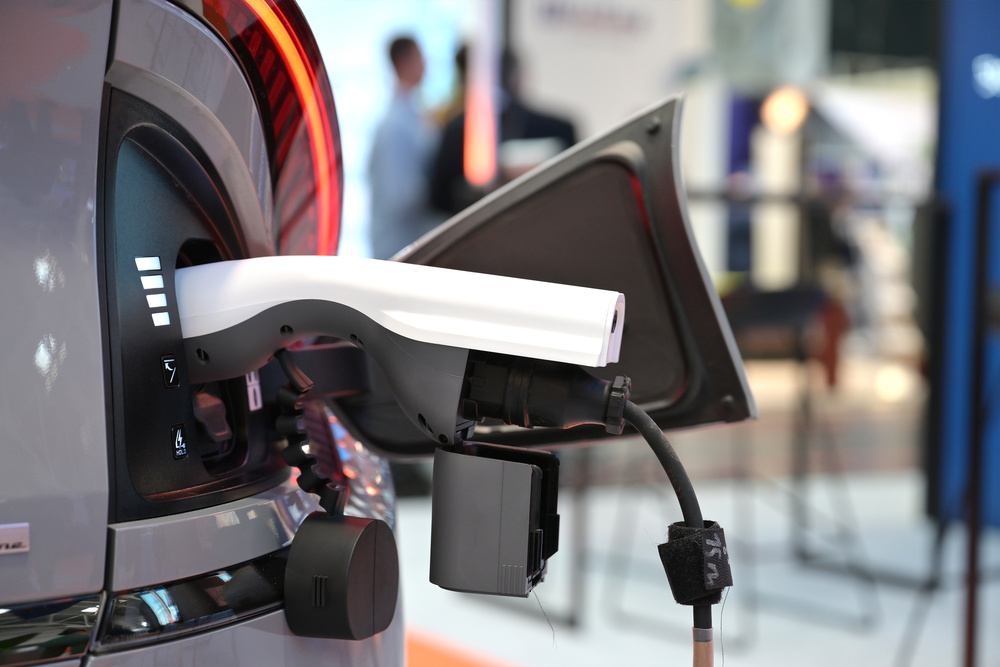
For smart charging to become established, drivers need to adjust their habits by timing when they charge their vehicles. This could be at home, at work, at the rest stop or while shopping. To find out whether e-vehicle drivers are prepared to do so, RWTH Aachen University conducted a survey among 2,500 participants. They found that, in principle, drivers are willing to make changes as long as they see an added value. Interventions in the charging process must be fair, transparent and understandable in each specific context. To encourage adoption, tariffs need to be uncomplicated and rules must be consistently reliable. Complexity reduces credibility. Blanket and non-transparent restrictions are also likely to cause rejection. Smart charging should not be seen as a sacrifice or loss of convenience. The study stresses that success depends less on the technology itself and more on well-designed rules and incentives that are fit for everyday use.
Smart charging is also worthwhile for bus companies and local public transport. There are already 400,000 electric buses on the roads in China, which is around 14 percent of the country’s fleet. At around 0.2 percent, Europe is lagging behind, and Germany’s percentage is not much higher (0.4 percent). German cities and municipalities are planning to purchase more than 2,000 electric buses over the next five years. Berlin, Hamburg, Munich and other cities have set themselves the goal of switching their local transportation systems to an all-electric bus fleet by 2030. In addition to depot charging, electric buses can also be charged at stops and terminal stops. To best exploit the short time windows, high charging power is required, and the potential for smart charging is great.
Bidirectional charging: saving billions of euros per year
Smart charging is already possible, with vehicle-to-grid and bidirectional charging adding technological options. Electric vehicles are becoming active parts of the energy system because in addition to absorbing electricity, they will soon be able to feed electricity back into the building’s system or the public grid. Vehicle batteries are turned into storage units and flexible energy sources that can feed electricity into the grid during high load periods. A possible use case is charging a vehicle with rooftop solar power during daylight hours and using it to power the home after nightfall. Bidirectional charging has reached market maturity. It is likely to become widely established in the coming years. “After last year's special exhibit on bidirectional charging was a huge crowd-puller, we are covering the topic again this year. It clearly is more than just a trend,” says Jens Mohrmann, Managing Director of Freiburg Wirtschaft Touristik und Messe GmbH & Co. KG (FWTM). “Bidirectional charging can accelerate the energy transition and reduce dependence on energy imports from third countries. The current energy crisis shows that we need to find new solutions quickly. We want to pave the way for this,” Elsässer adds. According to a Transport & Environment study, bidirectional charging could result in savings across Europe of up to 22 billion euros a year for utilities and car drivers.
„The Bidirectional Zone” in hall C6 will showcase the rapid developments in bidirectional charging technology, informing visitors about its benefits. On June 23 and 24, the first „Fleet Information Days" will address fleet managers looking to set up or expand an efficient electric vehicle fleet with charging infrastructure. The German Federal Association for New Mobility (BNM) will offer a tour. Participants of the eMobile Academy workshop Electrifying Commercial Vehicle Fleets: When Does It Pay Off? can earn a continuing education certificate.
Further insights and dialog on smart and bidirectional charging will be on offer at the Power2Drive Conference, which will be held on June 22 and 23. Sessions such as Scaling EV Flexibility: Technical Progress, Economic Potential, Enabling Policy and Ready for Electrification: Preparing the Power Grid for EVs will explore these aspects in greater detail. In addition, the conference and exhibition offer numerous opportunities for networking and professional exchange.
You can find further information on bidirectional charging here .